Septic Tank Odor Control: Best Practices for Treating Smelly Tanks
A properly functioning septic system is crucial for maintaining a healthy and comfortable living environment. However, when odors start emanating from your septic tank, it's a clear sign that something is amiss. While occasional odors are normal, persistent foul smells can indicate underlying issues that need immediate attention. This article will delve into the best practices for treating smelly septic tanks, empowering homeowners to tackle odor problems effectively and prevent future occurrences.
Understanding the Source of Septic Tank Odors
Septic tank odors arise from the breakdown of organic waste by bacteria. This process releases gases, including hydrogen sulfide (the rotten egg smell), methane, and ammonia. While these gases are a natural byproduct of the decomposition process, excessive odor indicates an imbalance in the system. Here are some common causes of septic tank odors:
Overloading the Tank
When the septic tank is overloaded with waste, it cannot process it efficiently, leading to a buildup of sludge and scum. This creates a breeding ground for bacteria that produce pungent odors.
Improper Septic Tank Maintenance
Regular maintenance is essential for keeping a septic system functioning optimally. Neglecting maintenance tasks like pumping out the tank, inspecting the leach field, and checking for leaks can contribute to odor problems.
Leach Field Failure
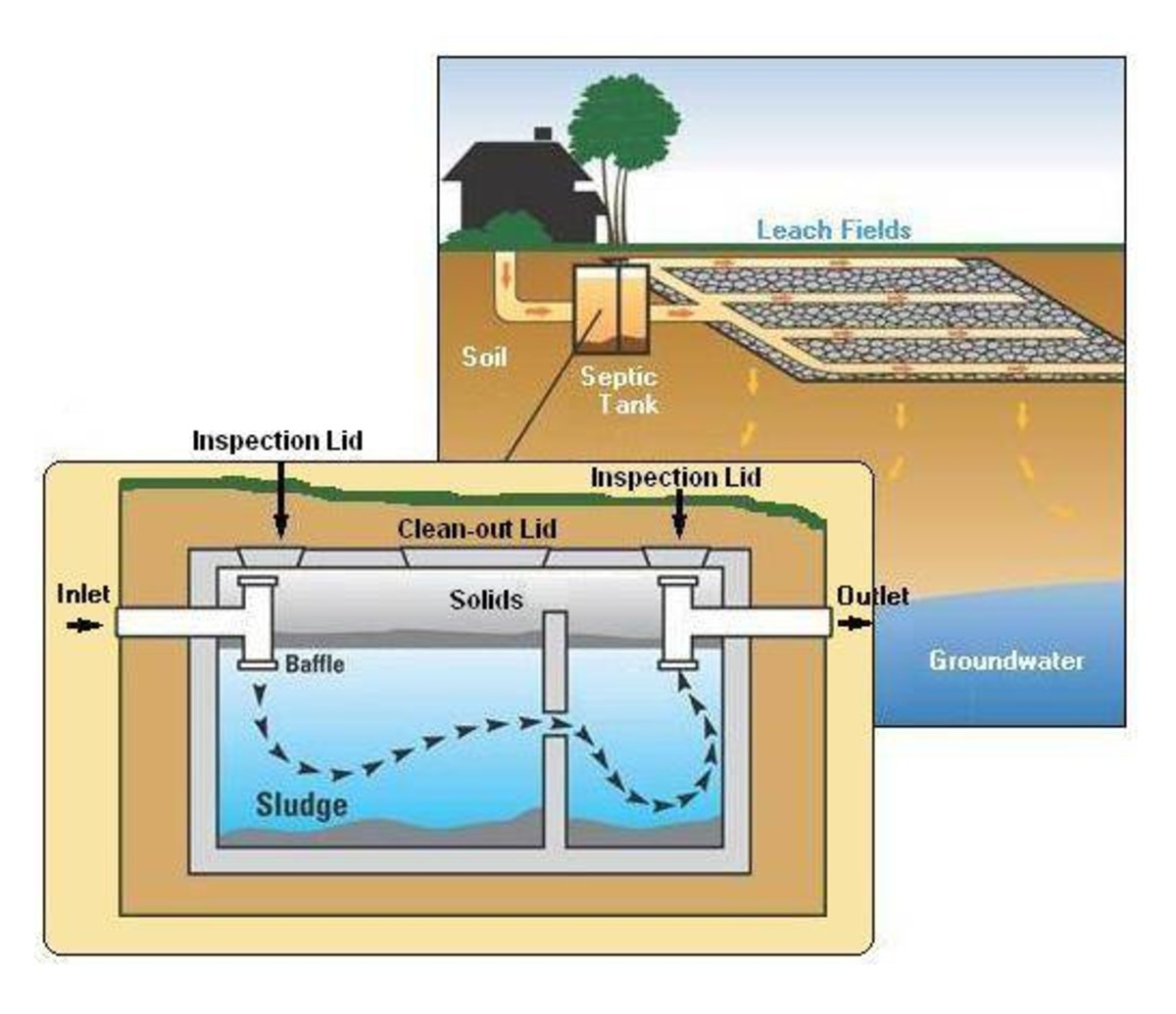
The leach field is responsible for filtering and dispersing treated wastewater from the septic tank. If the leach field becomes clogged or damaged, it can lead to wastewater backing up into the tank and generating foul odors.
Broken Pipes or Leaks
Leaks in the septic system, including pipes, the tank itself, or the leach field, can allow wastewater to escape and create unpleasant odors.
Insufficient Bacteria Levels
Bacteria play a vital role in breaking down waste. If the bacterial population in the septic tank is too low, the decomposition process slows down, leading to odor problems.
Best Practices for Treating Septic Tank Odors
Tackling septic tank odors requires a multi-pronged approach, addressing the root cause and implementing preventive measures.
1. Regular Septic Tank Pumping
Regular pumping is crucial for maintaining a healthy septic system. The frequency depends on the size of the tank, the number of occupants, and the amount of wastewater generated. Most homeowners should schedule a pumping every 3-5 years.
2. Use Septic Tank Additives
Septic tank additives contain beneficial bacteria that help break down waste and reduce odor-producing compounds. These additives can be purchased at hardware stores and are generally safe for septic systems.
3. Avoid Flushing Unnecessary Items
Avoid flushing items that can clog the septic system, such as:
These items can accumulate in the tank, creating clogs and contributing to odor problems.
4. Prevent Clogs in the Drain Field
A clogged drain field can lead to wastewater backup and odors. To prevent clogs, avoid:
5. Inspect the Leach Field
Inspecting the leach field periodically is crucial for identifying any signs of damage or blockage. Look for:
If you notice any of these signs, contact a qualified septic system professional for inspection and repair.
6. Seal Leaks and Cracks
Leaks in the septic tank, pipes, or leach field can contribute to odor problems. If you suspect a leak, contact a qualified septic system professional for inspection and repair.
7. Implement Odor Control Measures
While addressing the underlying causes of odor is essential, you can implement odor control measures to minimize unpleasant smells:
Professional Assistance
If you're unable to resolve septic tank odor problems using these best practices, it's crucial to consult a qualified septic system professional. They can:
Prevention is Key
The best way to avoid persistent septic tank odors is to practice preventative maintenance. By implementing regular pumping, using appropriate septic tank additives, and avoiding practices that can clog the system, you can ensure the longevity of your septic system and minimize the likelihood of odor problems. Remember, a well-maintained septic system is essential for a healthy and odor-free living environment.


