My Septic Tank Smell Saga (and How I Finally Won!)
Let me tell you, the smell of a failing septic system is NOT something you ever want to experience. It's that unique blend of sewage, sulfur, and general "ick" that clings to everything and makes you want to permanently relocate. For weeks, our house smelled like a swamp monster's locker room, and frankly, I was losing it. Calling a professional seemed inevitable, but my wallet (and my stubbornness) begged to differ. So, I embarked on a DIY septic smell-busting mission, and guess what? I won! This is the story of how I conquered the stench and saved a small fortune in the process.
The Culprit: Identifying the Source of the Stench
Before you start throwing money (or elbow grease) at the problem, you need to figure out *where* the smell is coming from. Is it consistently strong inside the house, or is it more pronounced outside, near the septic tank lid or drain field? This helps narrow down the possibilities. In my case, the smell was strongest inside, mainly in the bathrooms and the basement, indicating a problem with the plumbing vent pipes or possibly a clogged vent.
My Initial Investigations:
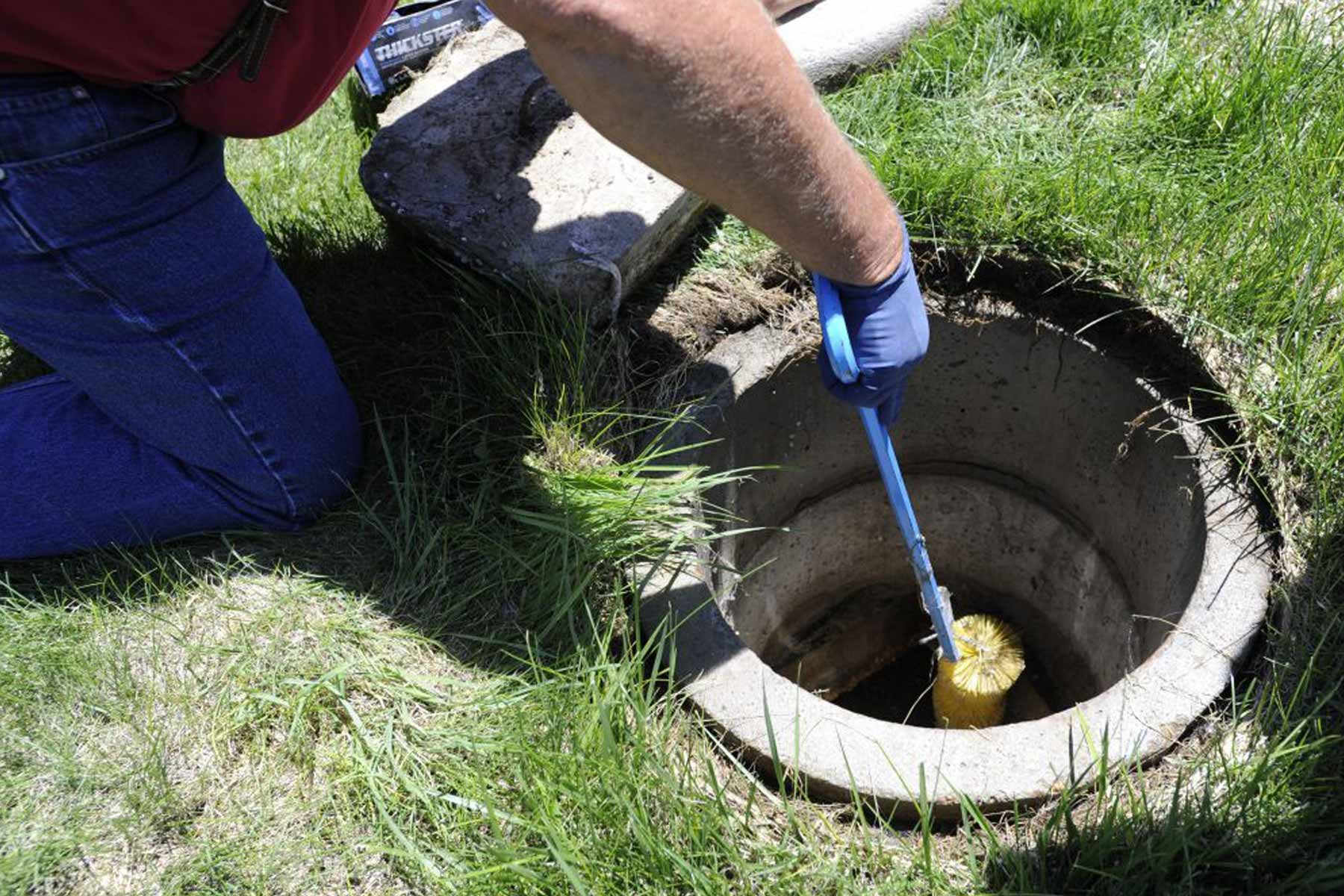
- Checked the tank lid: Surprisingly, it was sealed tightly, ruling out escaping gases from the tank itself (at least initially).
- Inspected the drain field: No obvious signs of saturation or standing water. This was good news â€" a failing drain field is a much more serious (and expensive) problem.
- Sniffed around the plumbing vents: I found one vent pipe on the roof that seemed to be blocked. This was the most likely culprit!
The DIY Solutions: A Step-by-Step Guide to Septic Odor Control
Once I'd identified the likely culprits, I started my systematic approach. Remember, safety first! Always treat septic systems with caution. Never enter a septic tank without proper equipment and training.
Step 1: Clearing Blocked Vent Pipes
My initial suspect was that blocked roof vent. Birds, leaves, and general debris can easily clog these pipes, preventing the escape of sewer gases and causing backpressure. I climbed onto the roof (carefully!), armed with a long, flexible plumbing snake. After a bit of maneuvering, I pulled out a surprising amount of gunk â€" leaves, twigs, and a few unfortunate feathers. After clearing the blockage and giving the pipe a good flush with water, the smell inside the house noticeably diminished!
Step 2: Tackling Internal Plumbing Vents
Vent pipes inside the house can also become clogged. These are usually less accessible than roof vents, but equally important. Sometimes a simple plunging of the affected drain can dislodge minor blockages. However, in severe cases, you might need a more advanced tool. I used a small plumbing snake (the kind you can buy at any hardware store) to clear out minor clogs in the bathroom vents. Be patient and persistent â€" it takes time and some elbow grease to work through the blockage.
Step 3: Enzyme Treatments: The Bacterial Boost
Even with cleared vents, a persistent smell might indicate a slow-moving septic system. This is where beneficial bacteria come in. You can buy septic tank enzyme treatments at most home improvement stores. These contain live bacteria that help break down waste more efficiently, reducing odors and improving overall system performance. I followed the instructions on the packaging carefully, adding the enzyme treatment to the toilet bowl. The improvements were gradual, but definitely noticeable over a few days.
Step 4: Maintaining Good Septic Habits
This is often overlooked, but proper septic system maintenance is crucial. Avoiding things that can harm your septic system are incredibly important to preventing future issues. Here are some key habits to maintain:
- Limit water usage: Avoid running excessive amounts of water down the drain at once, especially during peak usage times.
- Be mindful of what goes down the drain: Avoid flushing things like sanitary products, grease, and excessive amounts of paper. These can clog your pipes and lead to more serious septic issues.
- Regular Pumping: Scheduling regular septic tank pumping is vital for long-term health and preventing backups. This can prevent costly repairs and odors.
- Proper Landscaping: Avoid planting trees or large shrubs near the drain field. Their roots can damage the pipes and compromise the system's efficiency.
The Aftermath: A Smell-Free Home (Finally!)
After a few days of diligent work, the offensive smell finally disappeared! The combination of clearing the vents, using enzyme treatments, and adopting better septic habits did the trick. I saved a significant amount of money by avoiding a costly professional service call. And honestly, the satisfaction of fixing the problem myself was incredibly rewarding. Knowing I prevented a bigger, more costly problem was an added bonus!
Commonly Asked Questions
Here are some frequently asked questions I get about tackling septic smells at home.
Q: What if the smell persists after trying all these steps?
A: If the odor continues despite your efforts, it’s time to call a professional. A persistent smell could indicate more serious problems, such as a failing septic tank or drain field. Don't delay â€" addressing these issues promptly will save you money in the long run.
Q: How often should I pump my septic tank?
A: The frequency of septic tank pumping depends on several factors, including household size, water usage, and tank size. Generally, it’s recommended to have your tank pumped every 3-5 years. Consult a professional for personalized advice.
Q: Are enzyme treatments safe for my septic system?
A: Yes, enzyme treatments are generally safe for septic systems and the environment. However, always follow the manufacturer’s instructions carefully.
Q: Can I use bleach to get rid of septic smells?
A: While bleach can temporarily mask odors, it's not a good long-term solution and can actually harm the beneficial bacteria in your septic tank. It's best to focus on fixing the underlying cause of the smell.
I hope my experience helps you tackle those pesky septic smells! Remember, a little detective work and some DIY effort can go a long way in saving you money and keeping your home smelling fresh.


