Let's face it, nobody wants their home to smell like a sewer. But when you've got a septic system, that risk is always lurking in the back of your mind. That unmistakable "ugh" smell can be a real buzzkill, especially when you're trying to enjoy a barbecue or relax on the patio.
But don't despair! Regular inspections are your secret weapon against septic tank odor. Think of it like a check-up for your plumbing system, helping you avoid nasty surprises and keeping your home smelling fresh.
The First Line of Defense: Understanding the Odor Culprit
Before we dive into the glorious world of septic tank inspections, let's understand what causes that dreaded smell. It's all about bacteria, my friend. Your septic tank is a busy ecosystem, teeming with bacteria hard at work breaking down waste. This process is a good thing, but it also produces gases, and some of those gases, well, let's just say they're not exactly pleasant.
Common Causes of Septic Tank Odor
Here's a quick rundown of the most common reasons why your septic tank might be sending out a "bouquet" you didn't order:
A full tank: Just like a garbage can, a full septic tank can't hold any more. The waste starts backing up, leading to a build-up of pressure and a release of those not-so-pleasant gases.
Leaky pipes: Cracks in the pipes leading to your tank or the outlet pipe can allow gasses to escape and mingle with your air.
A failing drainfield: This is the part of your system that disperses treated wastewater into the soil. If it's clogged or damaged, it can cause backups and odors.
Too much "food" for the bacteria: Overloading your septic tank with things like grease, coffee grounds, or disposable wipes can disrupt the bacterial balance and lead to odor production.
Lack of ventilation: Your septic tank needs to breathe, so to speak. A vent pipe helps release gases, preventing a build-up and odors.
Routine Inspections: Your Secret Weapon
So, how do you keep your septic system from turning into a stink bomb? The answer is simple: routine inspections.
Imagine it like this: a well-maintained car runs smoother, lasts longer, and is less likely to break down. Your septic system is no different! Regular inspections help you catch problems early, preventing odors and costly repairs down the line.
What to Expect During a Septic Inspection
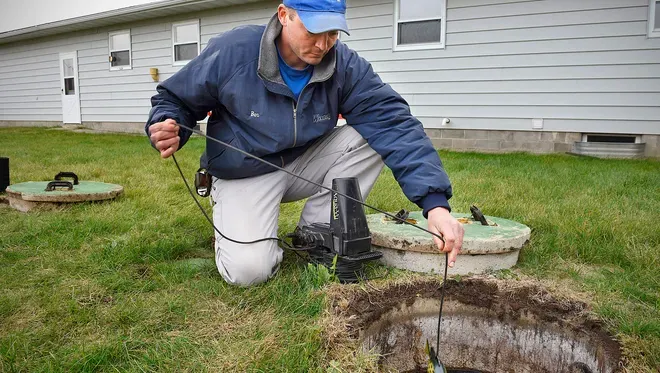
A professional septic inspector will take a look at the whole system, from the tank itself to the drainfield. Here's what they'll do:
Visual inspection: They'll look for signs of leaks, cracks, and other damage.
Tank level check: They'll measure the amount of sludge and scum in the tank, making sure it's not too full.
Drainfield assessment: They'll check for signs of water pooling, which could indicate a problem with the drainfield.
Pumping: If necessary, they'll pump out the tank, removing accumulated sludge and scum.
How Often Should You Get Inspections?
The frequency of inspections depends on several factors, including the size of your tank, the number of people in your household, and your usage habits. However, a good general rule is to get your tank inspected every 3-5 years.
The Benefits of Routine Inspections
Besides keeping your nose happy, here's why regular inspections are a smart move:
Prevent major problems: Early detection is key! You can avoid costly repairs and the stress of dealing with a major septic system failure.
Prolong system lifespan: Just like with your car, regular maintenance extends the life of your septic system.
Save money in the long run: Fixing small problems early on is much less expensive than dealing with a major breakdown.
Peace of mind: Knowing your septic system is in good shape gives you a sense of security and lets you relax without worrying about unpleasant odors.
Beyond the Inspections: Tips for Preventing Septic Tank Odor
Even with regular inspections, there are things you can do to prevent septic tank odor on a daily basis:
Watch what you flush: Resist the urge to flush anything that isn't toilet paper or human waste. Those "flushable" wipes? Nope. Grease? Definitely not. Stick to the basics.
Avoid overloading your system: Think of your septic tank like a delicate ecosystem. Don't overwhelm it with excess water or waste. Spread out laundry loads, take shorter showers, and use water-efficient appliances.
Don't pour harmful chemicals down the drain: Harsh cleaners, paint thinners, and other chemicals can harm the beneficial bacteria in your septic tank.
Keep your drainfield clear: Make sure nothing is blocking the flow of water to the drainfield. This includes trees or bushes planted too close to it.
Get your tank pumped regularly: Even if it's not quite full, pumping out your tank every 3-5 years is a good idea. It removes accumulated sludge and helps keep your system running smoothly.
Living Odor-Free, One Inspection at a Time
Remember, your septic system is a valuable investment. Taking care of it with regular inspections and following these tips will keep your home smelling fresh and your system functioning efficiently for years to come. So, ditch the "ugh" and say hello to a happy, odor-free home!


