My Septic System Stunk. Then I Found the Solution (and My Nose Thanked Me!)
Let me tell you, folks, there’s nothing quite like the sheer horror of discovering your septic system is, shall we say, *off*. For months, a low-level, vaguely unpleasant odor had been lingering around our property. I blamed the dog, the compost pile, even the wind direction. But the smell kept getting worse, bolder, more…well, *septic*. It finally reached the point where even opening the back door was a gamble. Guests? Forget about it. Dinner parties? A distant, pungent memory. This wasn't just a little whiff; this was a full-blown olfactory assault. It was driving me (and my family) absolutely bonkers.
I tried the usual home remedies. Baking soda down the drains? Check. Vinegar washes? Absolutely. Those little enzyme packets everyone raves about? Yep, those too. Nothing worked. The smell just stubbornly persisted. It was time to call in the big guns â€" professional-grade septic tank treatments.
The Great Septic System Smell Investigation
Before I even considered any treatments, I wanted to figure out *why* my septic system was behaving so badly. I wasn’t about to just throw money at the problem without understanding what was causing it. So, I did some research (lots of it!), and this is what I learned:
Possible Culprits of Septic Tank Odors:
Turns out, there are a lot of things that can make your septic system smell. Here are a few of the common causes:
- Clogged drain field: This is where the treated wastewater is released into the ground. If it’s clogged, wastewater backs up, causing nasty smells.
- High water table: If the water table is high, it can prevent the wastewater from draining properly, leading to backups and smells.
- Septic tank sludge buildup: Over time, solids settle at the bottom of the tank, forming sludge. Too much sludge can disrupt the bacterial breakdown process and release unpleasant odors.
- Improper septic tank maintenance: Failing to pump out the tank regularly can lead to sludge buildup and overflow.
- Tree roots: Tree roots can grow into the drain field pipes and clog them, leading to backups.
- Broken pipes: Cracked or broken pipes can leak wastewater, causing foul odors.
Armed with this knowledge, I started my investigation. I checked for obvious signs of problems â€" pooling water near the drain field, unusually slow draining sinks, etc. Thankfully, nothing too dramatic jumped out at me. However, it was clear that regular pumping (which hadn't been done recently, shame on me!) was long overdue. This suggested sludge buildup was a major contributing factor to my odor problem.
Professional Septic Tank Treatments: My Savior?
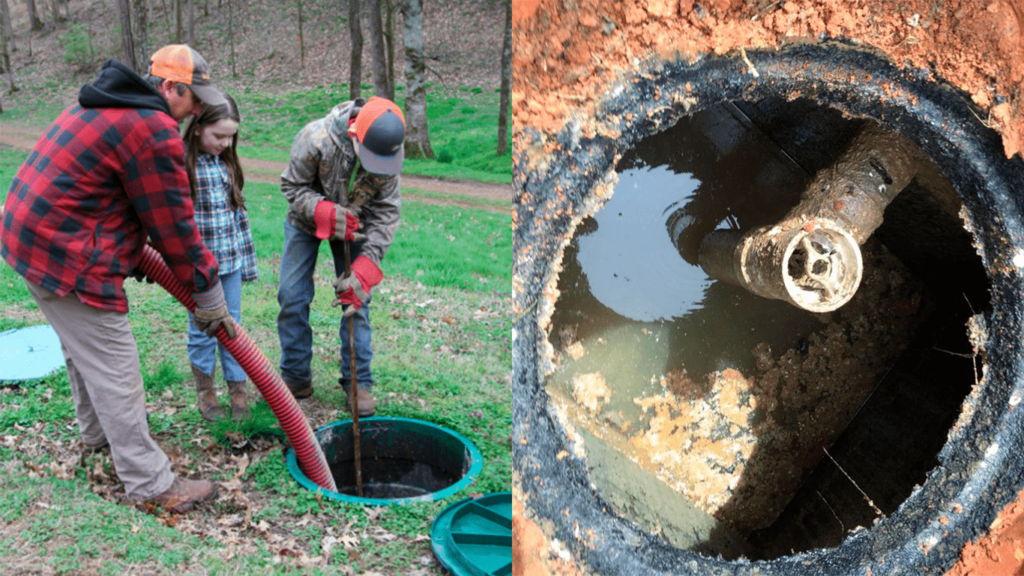
After a bit more research, I decided to try a two-pronged approach. First, I scheduled a professional pumping of my septic tank. I highly recommend this â€" don’t be tempted to try DIY solutions for this. It’s messy, potentially dangerous, and improperly done, can exacerbate the problem.
Secondly, I chose to use a professional-grade septic tank treatment product. I’d been skeptical of those "miracle" enzyme treatments before, but I was desperate. After reading countless reviews and comparing products, I opted for a highly-rated treatment specifically designed to break down organic waste and reduce odors. This particular product boasted beneficial bacteria and enzymes â€" the good kind that eat up the bad stuff causing the smell.
The Application Process (and My Minor Panics)
Following the instructions carefully was key. The product came as a concentrated liquid and needed to be poured directly into the toilet. I admit, I had a small moment of panic. "What if I poured it into the wrong place?" "What if it exploded?" (Probably not, but my imagination ran wild!). But, I stuck to the directions, flushing after each addition to prevent any buildup. The product itself had no noticeable odor, which was a relief.
The Results (Hallelujah!)
It took a few days, but the difference was incredible. The intense, overpowering smell started to fade, gradually replaced by…nothing. Just fresh air! I even dared to open the back door without holding my breath. I couldn't believe it. It wasn't an instant fix, but the improvement was noticeable and progressive. Within a week, the smell was completely gone. The regular maintenance with the enzyme-based treatment had done the job.
Ongoing Maintenance: A Happy Ending
The professional pumping and the septic tank treatment were not a one-time fix. To prevent this nightmare from happening again, I've established a regular maintenance schedule. I now get my tank pumped every 3-5 years (depending on usage and the size of my tank), and I use the professional-grade septic treatment every 3 months. This preventative approach ensures the system remains balanced, preventing odor buildup and keeping everything running smoothly.
This whole experience was a smelly, expensive, and ultimately, a valuable lesson. Ignoring early warning signs and delaying necessary maintenance can lead to significant problems (and noses full of regret!). If you're experiencing similar septic issues, don't hesitate to seek professional help. Prevention is far cheaper, and less smelly, than a full-blown septic system emergency.
Frequently Asked Questions (FAQs)
- Q: How often should I pump my septic tank? A: This depends on several factors, including the size of your tank, household size, and wastewater usage. Consult a septic professional for recommendations specific to your system. Generally, every 3-5 years is a good starting point.
- Q: Are septic tank treatments necessary? A: While not always strictly required, professional-grade septic treatments can help maintain a healthy system, reduce sludge buildup, and prevent odors. They are a valuable preventative measure.
- Q: How much do professional septic tank treatments cost? A: The cost varies depending on the product and the size of your tank. It’s usually a more affordable option compared to emergency repairs or replacements.
- Q: Can I use household chemicals in my septic tank? A: Absolutely not! Many household chemicals can harm the beneficial bacteria crucial for proper septic tank function. Stick to professional-grade septic treatments and avoid pouring anything other than human waste and toilet paper down the toilet.
- Q: What are the signs of a failing septic system? A: Slow-draining drains, gurgling sounds from pipes, sewage backups, unpleasant odors, lush green grass over the drain field (indicating excess moisture), and soggy or muddy soil around the drain field are all warning signs.


