How I Used Professional-Grade Septic Tank Treatments to Solve My Smell Problems
My Septic System Stunk. Then I Found the Solution (and My Nose Thanked Me!)
Let me tell you, folks, there’s nothing quite like the sheer horror of discovering your septic system is, shall we say, *off*. For months, a low-level, vaguely unpleasant odor had been lingering around our property. I blamed the dog, the compost pile, even the wind direction. But the smell kept getting worse, bolder, more…well, *septic*. It finally reached the point where even opening the back door was a gamble. Guests? Forget about it. Dinner parties? A distant, pungent memory. This wasn't just a little whiff; this was a full-blown olfactory assault. It was driving me (and my family) absolutely bonkers.
I tried the usual home remedies. Baking soda down the drains? Check. Vinegar washes? Absolutely. Those little enzyme packets everyone raves about? Yep, those too. Nothing worked. The smell just stubbornly persisted. It was time to call in the big guns â€" professional-grade septic tank treatments.
The Great Septic System Smell Investigation
Before I even considered any treatments, I wanted to figure out *why* my septic system was behaving so badly. I wasn’t about to just throw money at the problem without understanding what was causing it. So, I did some research (lots of it!), and this is what I learned:
Possible Culprits of Septic Tank Odors:
Turns out, there are a lot of things that can make your septic system smell. Here are a few of the common causes:
- Clogged drain field: This is where the treated wastewater is released into the ground. If it’s clogged, wastewater backs up, causing nasty smells.
- High water table: If the water table is high, it can prevent the wastewater from draining properly, leading to backups and smells.
- Septic tank sludge buildup: Over time, solids settle at the bottom of the tank, forming sludge. Too much sludge can disrupt the bacterial breakdown process and release unpleasant odors.
- Improper septic tank maintenance: Failing to pump out the tank regularly can lead to sludge buildup and overflow.
- Tree roots: Tree roots can grow into the drain field pipes and clog them, leading to backups.
- Broken pipes: Cracked or broken pipes can leak wastewater, causing foul odors.
Armed with this knowledge, I started my investigation. I checked for obvious signs of problems â€" pooling water near the drain field, unusually slow draining sinks, etc. Thankfully, nothing too dramatic jumped out at me. However, it was clear that regular pumping (which hadn't been done recently, shame on me!) was long overdue. This suggested sludge buildup was a major contributing factor to my odor problem.
Professional Septic Tank Treatments: My Savior?
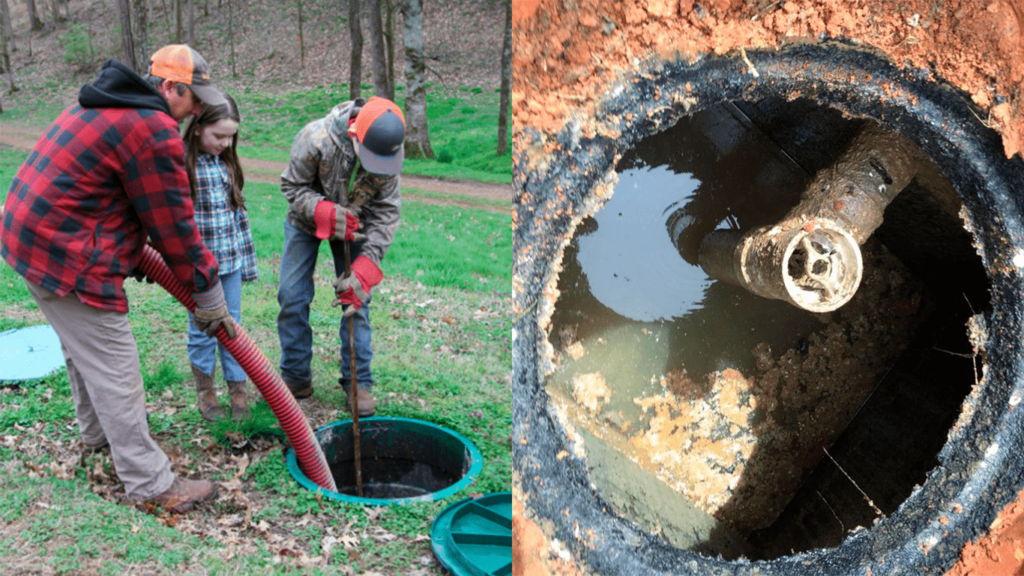
After a bit more research, I decided to try a two-pronged approach. First, I scheduled a professional pumping of my septic tank. I highly recommend this â€" don’t be tempted to try DIY solutions for this. It’s messy, potentially dangerous, and improperly done, can exacerbate the problem.
Secondly, I chose to use a professional-grade septic tank treatment product. I’d been skeptical of those "miracle" enzyme treatments before, but I was desperate. After reading countless reviews and comparing products, I opted for a highly-rated treatment specifically designed to break down organic waste and reduce odors. This particular product boasted beneficial bacteria and enzymes â€" the good kind that eat up the bad stuff causing the smell.
The Application Process (and My Minor Panics)
Following the instructions carefully was key. The product came as a concentrated liquid and needed to be poured directly into the toilet. I admit, I had a small moment of panic. "What if I poured it into the wrong place?" "What if it exploded?" (Probably not, but my imagination ran wild!). But, I stuck to the directions, flushing after each addition to prevent any buildup. The product itself had no noticeable odor, which was a relief.
The Results (Hallelujah!)
It took a few days, but the difference was incredible. The intense, overpowering smell started to fade, gradually replaced by…nothing. Just fresh air! I even dared to open the back door without holding my breath. I couldn't believe it. It wasn't an instant fix, but the improvement was noticeable and progressive. Within a week, the smell was completely gone. The regular maintenance with the enzyme-based treatment had done the job.
Ongoing Maintenance: A Happy Ending
The professional pumping and the septic tank treatment were not a one-time fix. To prevent this nightmare from happening again, I've established a regular maintenance schedule. I now get my tank pumped every 3-5 years (depending on usage and the size of my tank), and I use the professional-grade septic treatment every 3 months. This preventative approach ensures the system remains balanced, preventing odor buildup and keeping everything running smoothly.
This whole experience was a smelly, expensive, and ultimately, a valuable lesson. Ignoring early warning signs and delaying necessary maintenance can lead to significant problems (and noses full of regret!). If you're experiencing similar septic issues, don't hesitate to seek professional help. Prevention is far cheaper, and less smelly, than a full-blown septic system emergency.
Frequently Asked Questions (FAQs)
- Q: How often should I pump my septic tank? A: This depends on several factors, including the size of your tank, household size, and wastewater usage. Consult a septic professional for recommendations specific to your system. Generally, every 3-5 years is a good starting point.
- Q: Are septic tank treatments necessary? A: While not always strictly required, professional-grade septic treatments can help maintain a healthy system, reduce sludge buildup, and prevent odors. They are a valuable preventative measure.
- Q: How much do professional septic tank treatments cost? A: The cost varies depending on the product and the size of your tank. It’s usually a more affordable option compared to emergency repairs or replacements.
- Q: Can I use household chemicals in my septic tank? A: Absolutely not! Many household chemicals can harm the beneficial bacteria crucial for proper septic tank function. Stick to professional-grade septic treatments and avoid pouring anything other than human waste and toilet paper down the toilet.
- Q: What are the signs of a failing septic system? A: Slow-draining drains, gurgling sounds from pipes, sewage backups, unpleasant odors, lush green grass over the drain field (indicating excess moisture), and soggy or muddy soil around the drain field are all warning signs.
How I Fixed Septic Tank Smells Without a Professional Service Call
My Septic Tank Smell Saga (and How I Finally Won!)
Let me tell you, the smell of a failing septic system is NOT something you ever want to experience. It's that unique blend of sewage, sulfur, and general "ick" that clings to everything and makes you want to permanently relocate. For weeks, our house smelled like a swamp monster's locker room, and frankly, I was losing it. Calling a professional seemed inevitable, but my wallet (and my stubbornness) begged to differ. So, I embarked on a DIY septic smell-busting mission, and guess what? I won! This is the story of how I conquered the stench and saved a small fortune in the process.
The Culprit: Identifying the Source of the Stench
Before you start throwing money (or elbow grease) at the problem, you need to figure out *where* the smell is coming from. Is it consistently strong inside the house, or is it more pronounced outside, near the septic tank lid or drain field? This helps narrow down the possibilities. In my case, the smell was strongest inside, mainly in the bathrooms and the basement, indicating a problem with the plumbing vent pipes or possibly a clogged vent.
My Initial Investigations:
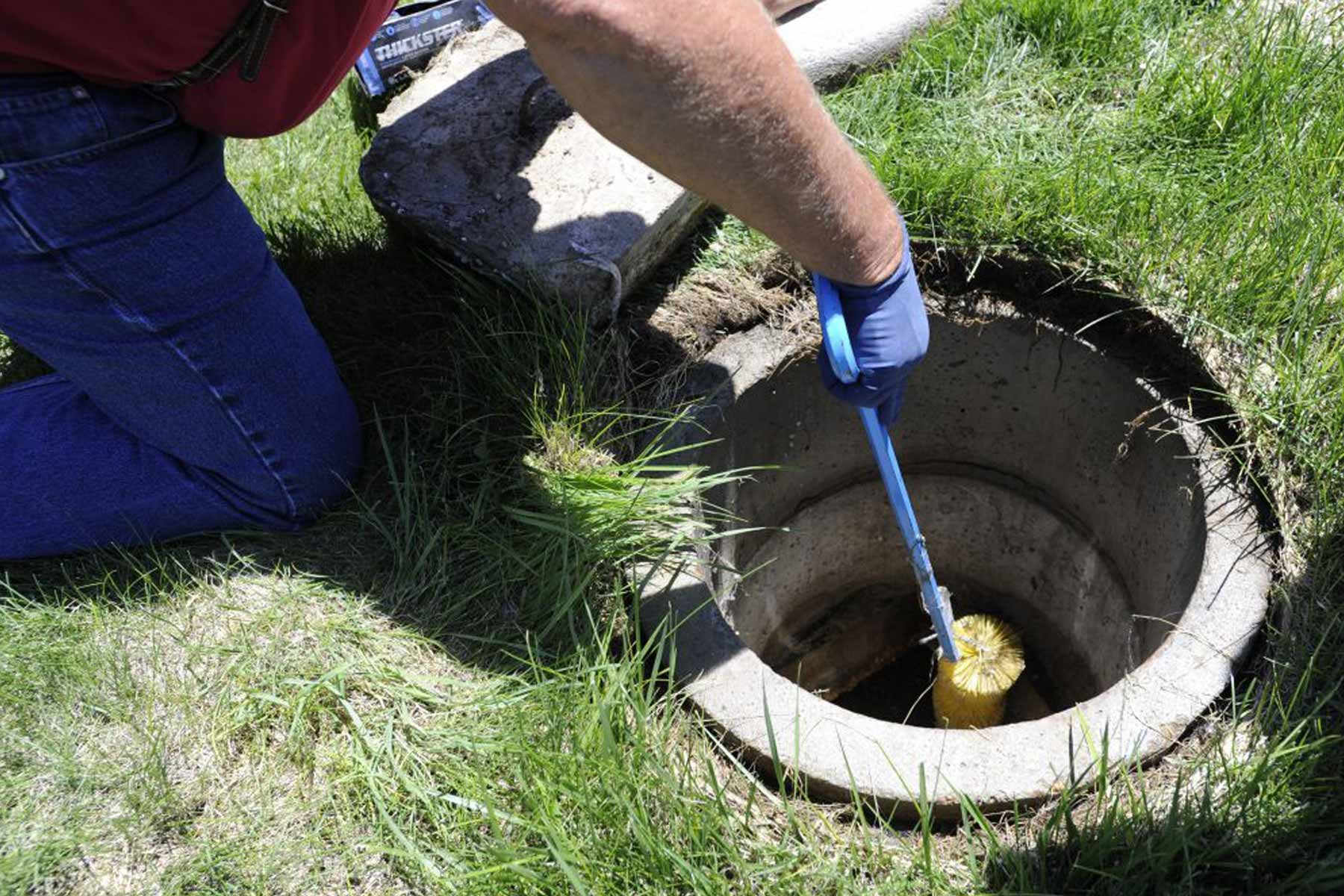
- Checked the tank lid: Surprisingly, it was sealed tightly, ruling out escaping gases from the tank itself (at least initially).
- Inspected the drain field: No obvious signs of saturation or standing water. This was good news â€" a failing drain field is a much more serious (and expensive) problem.
- Sniffed around the plumbing vents: I found one vent pipe on the roof that seemed to be blocked. This was the most likely culprit!
The DIY Solutions: A Step-by-Step Guide to Septic Odor Control
Once I'd identified the likely culprits, I started my systematic approach. Remember, safety first! Always treat septic systems with caution. Never enter a septic tank without proper equipment and training.
Step 1: Clearing Blocked Vent Pipes
My initial suspect was that blocked roof vent. Birds, leaves, and general debris can easily clog these pipes, preventing the escape of sewer gases and causing backpressure. I climbed onto the roof (carefully!), armed with a long, flexible plumbing snake. After a bit of maneuvering, I pulled out a surprising amount of gunk â€" leaves, twigs, and a few unfortunate feathers. After clearing the blockage and giving the pipe a good flush with water, the smell inside the house noticeably diminished!
Step 2: Tackling Internal Plumbing Vents
Vent pipes inside the house can also become clogged. These are usually less accessible than roof vents, but equally important. Sometimes a simple plunging of the affected drain can dislodge minor blockages. However, in severe cases, you might need a more advanced tool. I used a small plumbing snake (the kind you can buy at any hardware store) to clear out minor clogs in the bathroom vents. Be patient and persistent â€" it takes time and some elbow grease to work through the blockage.
Step 3: Enzyme Treatments: The Bacterial Boost
Even with cleared vents, a persistent smell might indicate a slow-moving septic system. This is where beneficial bacteria come in. You can buy septic tank enzyme treatments at most home improvement stores. These contain live bacteria that help break down waste more efficiently, reducing odors and improving overall system performance. I followed the instructions on the packaging carefully, adding the enzyme treatment to the toilet bowl. The improvements were gradual, but definitely noticeable over a few days.
Step 4: Maintaining Good Septic Habits
This is often overlooked, but proper septic system maintenance is crucial. Avoiding things that can harm your septic system are incredibly important to preventing future issues. Here are some key habits to maintain:
- Limit water usage: Avoid running excessive amounts of water down the drain at once, especially during peak usage times.
- Be mindful of what goes down the drain: Avoid flushing things like sanitary products, grease, and excessive amounts of paper. These can clog your pipes and lead to more serious septic issues.
- Regular Pumping: Scheduling regular septic tank pumping is vital for long-term health and preventing backups. This can prevent costly repairs and odors.
- Proper Landscaping: Avoid planting trees or large shrubs near the drain field. Their roots can damage the pipes and compromise the system's efficiency.
The Aftermath: A Smell-Free Home (Finally!)
After a few days of diligent work, the offensive smell finally disappeared! The combination of clearing the vents, using enzyme treatments, and adopting better septic habits did the trick. I saved a significant amount of money by avoiding a costly professional service call. And honestly, the satisfaction of fixing the problem myself was incredibly rewarding. Knowing I prevented a bigger, more costly problem was an added bonus!
Commonly Asked Questions
Here are some frequently asked questions I get about tackling septic smells at home.
Q: What if the smell persists after trying all these steps?
A: If the odor continues despite your efforts, it’s time to call a professional. A persistent smell could indicate more serious problems, such as a failing septic tank or drain field. Don't delay â€" addressing these issues promptly will save you money in the long run.
Q: How often should I pump my septic tank?
A: The frequency of septic tank pumping depends on several factors, including household size, water usage, and tank size. Generally, it’s recommended to have your tank pumped every 3-5 years. Consult a professional for personalized advice.
Q: Are enzyme treatments safe for my septic system?
A: Yes, enzyme treatments are generally safe for septic systems and the environment. However, always follow the manufacturer’s instructions carefully.
Q: Can I use bleach to get rid of septic smells?
A: While bleach can temporarily mask odors, it's not a good long-term solution and can actually harm the beneficial bacteria in your septic tank. It's best to focus on fixing the underlying cause of the smell.
I hope my experience helps you tackle those pesky septic smells! Remember, a little detective work and some DIY effort can go a long way in saving you money and keeping your home smelling fresh.
How I Got Rid of the Foul Smell from My Septic Tank Once and For All

How I Got Rid of the Foul Smell from My Septic Tank Once and For All
Let me tell you, the smell was horrendous. Imagine that sickeningly sweet, rotten-egg stench wafting from your backyard, clinging to your clothes, and making your guests hold their breath. That was my life for months. My septic tank was a stinky, bubbling nightmare, and I tried everything â€" I’m talking everything â€" to get rid of the smell. This isn't just a story about fixing a smelly septic tank; it's a tale of perseverance, learning, and finally, sweet, sweet victory over a truly offensive odor. Buckle up, because this is a long one, but hopefully, it’ll save you from the same smelly fate.
The Beginning of the End (or, the Beginning of the Stink)
It started subtly. A faint whiff here and there. I initially blamed the neighbors' compost heap (they're... enthusiastic composters). But the smell intensified. It wasn't just a faint whiff anymore; it was a full-blown olfactory assault. Guests started making excuses not to come over. My dog started avoiding the back yard. Even I, the owner of the offending property, began to hold my breath when venturing near the septic tank area. It was bad. Really, really bad.
My First (Failed) Attempts
Naturally, my first response was the internet. I dove headfirst into forums, articles, and YouTube videos. The suggestions were plentiful, ranging from the practical to the downright bizarre. I tried:
- Baking soda and vinegar: This classic cleaning combo did absolutely nothing. The smell remained, strong and defiant.
- Commercial septic tank treatments: I spent a small fortune on various enzyme products and bacterial treatments, each promising to eliminate odors and improve efficiency. Some showed slight improvement for a day or two, but the smell always roared back with a vengeance.
- Pouring bleach down the toilet: I know, I know. This is a big no-no according to every expert, but desperation breeds bad choices. It didn't work, and it probably did more harm than good.
- Planting fragrant flowers near the septic tank: Okay, this was probably the most futile attempt. While the lavender smelled nice, it did nothing to mask the overpowering septic stench.
After weeks of these half-hearted measures, the smell was worse than ever. I was ready to throw in the towel (and maybe move to a new house).
The Turning Point: Professional Help
Finally, I swallowed my pride and called a professional septic tank service. I figured, what did I have to lose? More money? At this point, a slightly emptier bank account was a small price to pay for the elimination of that infernal smell.
The technician arrived, took one whiff, and immediately knew the problem was far more serious than just a simple buildup of solids. He explained that the issue wasn't just a matter of adding bacteria; it was a matter of proper maintenance and possibly a deeper underlying issue.
The Diagnosis: A Combination of Problems
After a thorough inspection, which involved a rather unpleasant poking and prodding of the tank's contents, he diagnosed a few contributing factors:
- Insufficient drainage: The leach field, the area where the treated wastewater drains, was partially clogged, causing wastewater to back up in the tank. This led to excessive sludge buildup and, of course, a terrible smell.
- Over-accumulation of solids: Because of the poor drainage, solids hadn't been properly processed, leading to a significant buildup of organic matter.
- A possible crack in the tank: He suspected a small crack in the tank itself, allowing some wastewater to seep into the surrounding soil. This was contributing to the pervasive odor.
The Solution: A Multi-Pronged Approach
The solution wasn't a quick fix. It required a comprehensive approach targeting each problem.
- Pumping and cleaning: First, the tank needed a thorough pumping to remove the excess sludge and solids. This involved a hefty pumping truck and a lot of gurgling and sloshing noises.
- Leach field jetting: To address the clogged leach field, the technician used a high-pressure jetting system to clear out the blockages. This involved specialized equipment to blast away the accumulated debris without damaging the system.
- Repairing the crack: Unfortunately, his suspicion was correct. There was a small crack in the tank. He recommended getting it repaired, as leaving it untreated could lead to even bigger problems (and more smell!). The repair involved specialized epoxy resin to seal the crack. This was a more involved process and required a few days to fully cure.
- Ongoing maintenance: He stressed the importance of regular pumping (every 2-3 years, depending on usage) and avoiding putting things down the toilet that shouldn’t be there (like grease and excessive amounts of toilet paper).
After the work was completed, the change was immediate and dramatic. The stench vanished. Poof! Gone. I opened the back door and breathed in the fresh air for the first time in months. It was glorious.
Lessons Learned (and How to Avoid My Mistakes)
Looking back, I learned a valuable lesson: Don't delay in seeking professional help when dealing with septic tank issues. While some minor problems can be addressed with DIY solutions, significant issues like clogged leach fields or cracked tanks require the expertise of a qualified professional. Trying to fix a serious problem yourself can end up costing you more money in the long run, and could even cause further damage.
Here’s my advice for avoiding a smelly septic tank saga:
- Regular pumping: Schedule regular septic tank pumping. Frequency depends on tank size and household size, but generally every 2-3 years is a good guideline.
- Proper usage: Avoid flushing things down the toilet that shouldn’t be there. This includes grease, feminine hygiene products, excessive amounts of paper, and anything else that could clog the pipes.
- Regular inspection: Consider a visual inspection of the tank every few years to detect potential problems early on. A visual inspection can detect cracks or other obvious issues before they escalate.
- Professional help: Don't hesitate to call in a professional for any unusual odors, slow draining, or other signs of trouble.
Frequently Asked Questions
Q: How much did it cost to fix my septic tank?
A: The total cost varied depending on the services needed. Pumping was the least expensive, while repairing the crack was the most costly. It's best to contact local septic companies for quotes specific to your location and situation. Expect to pay several hundred dollars at a minimum.
Q: How often should I pump my septic tank?
A: This depends on several factors, including household size, tank size, and wastewater production. Generally, every 2-3 years is a good guideline, but it's always best to consult with a professional to determine the optimal pumping schedule for your specific situation.
Q: What are the signs of a failing septic system?
A: Signs include foul odors, slow-draining toilets and sinks, gurgling sounds from drains, lush green spots of grass above the leach field, and sewage backups. If you notice any of these, contact a professional immediately.
Q: Can I use bleach in my septic tank?
A: No! Bleach can kill the beneficial bacteria that help break down waste in your septic system. This can lead to increased sludge buildup, odors, and potentially more serious problems.
Hopefully, my smelly experience will save you from a similar fate. Remember, prevention is key, but if the unthinkable happens, don’t hesitate to call in the pros!
Simple Techniques for Cleaning a Septic Tank Without the Need for Pumping

Simple Techniques for Cleaning a Septic Tank Without the Need for Pumping
Let's face it, dealing with septic systems isn't exactly the most glamorous topic. But, if you're like many homeowners, the thought of having your septic tank pumped can be a real drain on your wallet. So, what are the alternatives? Believe it or not, there are some simple techniques you can use to help keep your septic system running smoothly and avoid those costly pump-outs.
The key to a healthy septic system is prevention. By incorporating a few smart habits into your daily routine, you can minimize the buildup of sludge and scum in your tank, keeping it working efficiently.
Understanding Your Septic System
Before we dive into cleaning techniques, it's helpful to have a basic understanding of how your septic system operates.
Think of your septic tank as the first line of defense in your wastewater treatment system. Wastewater from your home flows into the tank, where solids settle to the bottom forming sludge, while lighter materials like grease and oil float to the top forming scum. Over time, this buildup can become a problem, potentially impacting the flow of wastewater to the drain field.
Simple Techniques for a Cleaner Septic System
Here are some techniques that can help you keep your septic system in top shape without resorting to a full-blown pump-out:
1. Embrace the Power of Bacteria
Just like the good bacteria in your gut, there are beneficial bacteria in your septic tank that play a crucial role in breaking down waste. These bacteria are your allies in keeping your system healthy. To keep them happy, try these tips:
- Avoid harsh chemicals. Cleaning products containing chlorine bleach, disinfectants, and strong acids can kill off beneficial bacteria, making it harder for them to do their job. Opt for eco-friendly cleaners that are septic-safe.
- Use septic tank additives. You can find a variety of septic tank additives at home improvement stores and online. These additives contain beneficial bacteria and enzymes that help break down solids and fats, promoting a cleaner tank. Always follow the manufacturer's instructions carefully.
- Add a sprinkle of baking soda. Baking soda is a natural deodorizer and helps neutralize odors coming from the tank. Pour a cup of baking soda into your toilet every few weeks.
2. Mindful Waste Management
What goes down the drain has a direct impact on the health of your septic system. These simple changes can make a big difference:
- Flush with care. Avoid flushing items that don't belong in your sewage system, like wipes, paper towels, cotton balls, feminine hygiene products, and diapers. These items can clog your pipes and accumulate in the tank, disrupting its function. Stick to toilet paper designed for septic systems.
- Limit grease and oil. Don't pour grease or oil down the drain. Instead, allow them to cool and then dispose of them in a sealed container for garbage pickup.
- Keep the grass trimmed. Avoid letting grass clippings and leaves fall into your septic tank. These can decompose slowly, creating a buildup of solids in the tank.
3. Protect Your Drain Field
Your drain field is a network of underground pipes that filter wastewater from your septic tank. Keep it healthy to prevent back-ups:
- Avoid heavy vehicles. Keep cars and trucks off the area around your drain field. The weight of heavy vehicles can compact the soil, preventing proper filtration.
- Maintain a good landscaping plan. Plant trees and shrubs away from the drain field, as their roots can damage the pipes. Ensure the drain field has proper drainage to prevent water buildup.
When to Call a Professional
While these techniques can help maintain your septic system, there are instances when professional assistance is required:
- Frequent clogging or backups. If you experience frequent blockages or backups in your drains, it could be a sign of a larger issue, such as a clogged drain field. A professional can diagnose the problem and suggest appropriate solutions.
- Noticeable changes in drainage. If you see signs of your septic system struggling to drain properly, such as slow-draining toilets or sinks, or gurgling sounds coming from the plumbing, it's time to call a plumber. These issues could be a sign of a buildup in the tank or drain field.
- Strong odors around your septic tank. If you smell a strong sewage odor around your tank, this could indicate a problem. Seek professional help to address the cause.
Commonly Asked Questions
How often should I have my septic tank pumped?
The frequency of septic tank pumping depends on several factors, including the size of your tank, the number of people in your household, and your wastewater habits. It's a good idea to have your tank inspected every 3-5 years. A professional can assess the amount of sludge buildup and advise on the best course of action.
Are there any homemade septic tank cleaners I can use?
While there are many DIY recipes circulating online, it's best to avoid using homemade septic cleaners. They often contain ingredients that can harm beneficial bacteria in your tank or damage the system. Stick to commercially available septic tank additives or consult with a professional.
What can I do to prevent my septic system from backing up?
Regular maintenance is key to preventing backups. This includes minimizing the amount of solids entering the tank, using septic-safe products, and keeping your drain field healthy. Regular inspections and professional pumping can also help prevent backups.
By adopting these simple techniques and maintaining a conscious approach to waste disposal, you can help keep your septic system running smoothly for years to come. Remember, a well-maintained septic system means less stress and more peace of mind for you and your family!
How to Stop a New Septic Tank from Smelling

Conquering the Stink: How to Stop Your New Septic Tank From Smelling
You've just had a brand new septic tank installed - a big investment! You're probably excited about the peace of mind it brings, but you're also likely wondering, "Will my new septic system smell?" The truth is, even a well-maintained new septic tank can sometimes emit unpleasant odors. Don't panic! There are steps you can take to prevent those unwelcome smells and ensure your system is operating smoothly for years to come.
Understanding the Source of Septic Tank Odors
Septic tank odors arise from the breakdown of waste in the tank. Bacteria and enzymes naturally break down the waste, but this process releases gases, some of which are odoriferous. The problem arises when these gases escape into the surrounding air. The smell can be especially noticeable when the tank is full or nearing full capacity. It's important to note that a strong septic smell doesn't always mean there's a problem. It's often just a sign that the system is working hard.
Preventing Septic Tank Odors: A Step-by-Step Guide
Let's dive into the practical steps you can take to minimize the risk of unpleasant odors from your new septic system:
1. Ensuring Proper Installation
This is the most important step! A correctly installed septic system is the foundation for odor prevention. If the tank itself is improperly positioned, sealed, or vented, it can lead to leaks and odors. That's why it's crucial to work with a reputable contractor who understands the intricacies of septic system installation.
2. The Power of Regular Maintenance
Just like any other system, your septic tank needs regular maintenance to function at its best. Here's what you should prioritize:
- Pumping: You'll need to pump out the tank periodically to keep it from overflowing. The frequency depends on your tank's size and the number of people in your household. Generally, you can expect to pump your tank every 3-5 years. A professional septic service can assess your specific needs.
- Inspection: Regularly check the tank for any visible signs of leaks, cracks, or damage. A professional inspection should also be performed every few years to ensure everything is functioning correctly.
- Additives: While not strictly necessary, septic tank additives can help maintain a healthy bacterial balance in the tank, reducing the risk of odor. These additives typically come in liquid or tablet form and are available at hardware stores.
3. Mindful Usage Habits
The way you use your plumbing can also impact the smell of your septic system. Here are some tips:
- Avoid Flushing Problematic Items: Things like disposable wipes, cotton balls, and feminine hygiene products don't break down easily and can clog your system, creating a breeding ground for odor-causing bacteria.
- Limit Grease and Oils: Excessive grease and oils can solidify and clog your pipes, leading to backups and unpleasant smells. Use a grease trap or dispose of grease properly.
- Be Cautious with Chemicals: Avoid pouring strong chemicals like bleach or solvents down your drains. These can kill off beneficial bacteria in the tank and disrupt the natural decomposition process, leading to odor issues.
- Watering Your Lawn: If you're using gray water (water from sinks and showers) to water your lawn, ensure the water is properly treated to avoid spreading pathogens and potential odors.
4. Tackling Existing Odors
If you already have a septic odor, don't despair. Here are some steps to address the problem:
- Identify the Source: Is the odor coming from the tank itself, the drainfield, or a specific fixture? This will help you pinpoint the cause and direct your efforts accordingly.
- Ventilate the Area: Open windows and doors to allow fresh air to circulate and dissipate the odor. You can also use fans to help with ventilation.
- Use Natural Deodorizers: Natural odor absorbers like baking soda, coffee grounds, or activated charcoal can help neutralize the smell. Place them in bowls or open containers near the source of the odor.
- Call a Professional: If the odor persists or worsens, don't hesitate to contact a licensed septic service. They can inspect your system, identify any underlying issues, and recommend solutions.
Preventing Septic Tank Odors: Common Questions Answered
Here are some frequently asked questions about septic tanks and odor prevention:
- Q: How often should I have my septic tank pumped?
A: The frequency of pumping depends on the size of the tank, the number of people in your household, and your overall wastewater usage. Generally, you should have your tank pumped every 3-5 years. A licensed septic service can assess your specific needs and recommend a pumping schedule. - Q: What can I do to prevent my septic tank from overflowing?
A: Follow good usage habits (like avoiding flushing problematic items and limiting grease and oils) and ensure your tank is pumped regularly according to a professional's recommendation. Avoid using excessive water for washing clothes or showering. Consider using low-flow fixtures to conserve water. - Q: Are there any natural ways to deodorize my septic tank?
A: Yes! You can use natural deodorizers like baking soda, coffee grounds, or activated charcoal to help neutralize odors. These can be placed in bowls or open containers near the source of the smell. You can also add some baking soda or coffee grounds to your toilet bowl to help deodorize the plumbing system. - Q: Can I use chlorine bleach in my septic tank?
A: No, chlorine bleach is not recommended for septic systems. It can kill off beneficial bacteria in the tank, disrupting the natural decomposition process, and can lead to odor issues. - Q: What are the signs of a failing septic system?
A: A failing septic system might exhibit slow drains, gurgling sounds from the pipes, a persistent sewage odor, or a wet area around the drainfield. If you notice any of these signs, contact a licensed septic service immediately.
Preventing unpleasant odors from your new septic tank is within your reach! By understanding the basics of septic system function, following these preventative measures, and getting regular maintenance, you can keep your system operating efficiently and smelling fresh.
How to Use Baking Soda for Homemade Septic Tank Treatment

How to Use Baking Soda for Homemade Septic Tank Treatment
Septic systems are essential for homes that don't have access to public sewer lines. They rely on a complex process of bacterial decomposition to break down waste and keep the system running smoothly. Over time, however, these systems can become sluggish, leading to unpleasant odors and potential backups. Fortunately, you can often revitalize your septic tank with a simple, natural solution: baking soda.
The Benefits of Baking Soda for Septic Tanks
Baking soda, also known as sodium bicarbonate, is a versatile household staple with a remarkable ability to neutralize odors and promote bacterial growth. This makes it an ideal ingredient for septic tank maintenance. Here's how baking soda benefits your septic system:
Odor Control
Baking soda is a powerful odor absorber, effectively neutralizing the unpleasant smells that can emanate from a sluggish septic tank. It acts like a natural deodorizer, keeping your home smelling fresh and clean.
pH Balancing
The bacteria responsible for breaking down waste in your septic tank thrive in a slightly alkaline environment. Baking soda's alkaline properties help maintain the optimal pH balance within the tank, promoting the healthy growth of these essential bacteria.
Waste Decomposition
Baking soda helps to break down organic waste in your septic tank. This process can improve the flow of wastewater and reduce the build-up of solids that can clog your system.
How to Use Baking Soda for Septic Tank Treatment
Using baking soda for septic tank maintenance is surprisingly simple. Here's how to do it:
- Choose the Right Amount: Start with a small amount of baking soda, about one cup for a standard septic tank. You can gradually increase the amount if needed.
- Mix it Up: Mix the baking soda with a few gallons of water in a bucket. This creates a solution that's easy to pour into your septic tank.
- Pour it In: Pour the baking soda solution directly into your septic tank through the lid or access point. Be sure to do this slowly and carefully to avoid splashing.
- Let It Work: Allow the baking soda solution to sit in your septic tank for a few days to a week. This gives the bacteria time to break down the waste and neutralize odors.
- Repeat as Needed: You can repeat this process every few months or as needed to keep your septic tank running smoothly.
Important Considerations
While baking soda is generally safe and effective for septic tank maintenance, there are a few things to keep in mind:
- Don't Overdo It: Using too much baking soda can disrupt the natural balance of your septic system. It's best to start with a small amount and gradually increase if necessary.
- Avoid Harsh Chemicals: Avoid using harsh chemicals in your septic tank, such as bleach or drain cleaner. These chemicals can kill the beneficial bacteria needed for proper decomposition.
- Regular Inspections: Regular inspections by a qualified septic tank professional are essential for ensuring your system's long-term health. These inspections can identify potential problems and help you maintain a well-functioning septic system.
By using baking soda regularly, you can help keep your septic system running smoothly and efficiently, preventing costly repairs and ensuring a healthy and odor-free home environment.
Common Reasons for Nighttime Septic Tank Odors and How to Solve Them
Common Reasons for Nighttime Septic Tank Odors and How to Solve Them
Waking up to unpleasant odors in your home can be a real nuisance, especially when they seem to intensify at night. If your septic system is the culprit, understanding the common reasons behind these nighttime smells can help you address the issue quickly and effectively.
Why Septic Odors Are Stronger at Night
Septic tanks are designed to break down waste through a natural process that involves bacteria. These bacteria are most active at warmer temperatures, which is why you may notice a more pronounced odor at night, particularly during colder months. As the air temperature drops, the rate of decomposition slows down, leading to a buildup of gases that can escape into your home through vents or cracks.
Common Causes of Septic Tank Odors
While a decrease in bacterial activity is often the main reason for nighttime smells, several other factors can contribute to the issue:
1. Overloading the System
When your septic tank is overloaded, it can lead to a backup of waste and an increase in odor-producing gases. This overload can happen due to excessive water usage, such as multiple showers or laundry loads, or a malfunctioning system that prevents proper drainage.
2. Clogged Drain Field
The drain field is responsible for filtering and releasing treated wastewater back into the ground. A clogged drain field prevents proper drainage, leading to a buildup of waste in the tank and increased odor production. This clogging can result from excessive use of harsh chemicals or the accumulation of tree roots.
3. Faulty Vents
Septic systems are equipped with vents that allow gases to escape into the atmosphere, preventing pressure buildup in the tank. If these vents become clogged or malfunctioning, the gases can build up and leak into your home.
4. Cracks in the Tank or Pipes
Over time, cracks can develop in the septic tank or pipes, allowing wastewater and odor-producing gases to escape. These cracks can be caused by aging, tree roots, or shifting soil.
Solutions to Eliminate Nighttime Septic Odors
Dealing with septic tank odors requires a multi-pronged approach, addressing the underlying cause and improving the overall system performance. Here are some practical solutions:
1. Reduce Water Usage
Minimize water usage during peak hours, especially at night. Take shorter showers, limit laundry loads, and fix any leaky faucets or appliances.
2. Maintain Your Septic System Regularly
Regular maintenance is crucial for preventing problems. This includes pumping out the tank every 3-5 years, inspecting the drain field, and checking vents for obstructions.
3. Avoid Harsh Chemicals
Avoid using harsh chemicals like bleach and drain cleaners, as they can harm the beneficial bacteria in the tank and potentially damage the drain field.
4. Consider a Septic Tank Additvie
Septic tank additives containing bacteria and enzymes can help break down waste more effectively, reducing odor production.
5. Repair Cracks and Leaks
If you suspect cracks or leaks in your tank or pipes, contact a qualified septic system professional for inspection and repair.
6. Improve Ventilation
Ensure your septic system vents are functioning properly. If you suspect an obstruction, contact a professional for cleaning or repair.
When to Call a Professional
If you've taken the necessary steps but the odors persist or worsen, it's essential to contact a qualified septic system professional for a thorough inspection and diagnosis. They can identify the root cause of the problem and recommend the appropriate solution, whether it's a simple repair or a more extensive system overhaul.
By understanding the common reasons for nighttime septic tank odors and implementing the recommended solutions, you can eliminate these unpleasant smells and maintain a comfortable and odor-free home environment.